
Unlock Your Body's Healing Potential with Essential Minerals & Vitamins
Comprehensive guidance on how micronutrients support post-injury recovery, athletic performance, and overall wellness. Explore the science-backed nutrition strategies that accelerate healing.
Essential micronutrients covered in our guides
Days to notice improved recovery markers
Natural food sources highlighted throughout
Evidence-based articles on recovery nutrition
Why Mineral & Vitamin Supplementation Matters for Recovery
After injury, surgery, or intense physical exertion, your body needs targeted nutritional support. Minerals and vitamins are fundamental to cellular repair, immune function, and energy restoration.
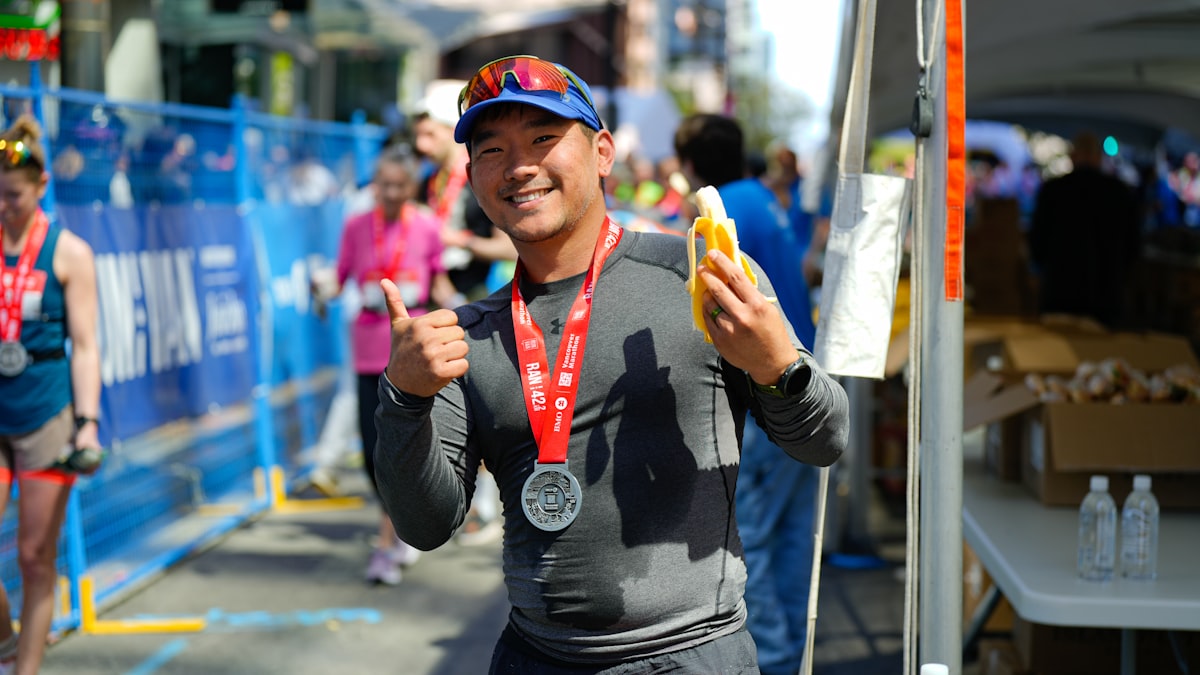
Accelerate Cellular Repair
Minerals like zinc, magnesium, and calcium form the structural foundation of new bone, muscle, and connective tissue. Without adequate micronutrient intake, your body cannot efficiently rebuild damaged areas. Our detailed guides explain how each nutrient supports specific tissue healing pathways.
Strengthen Immune Response
Vitamins A, C, D, and E, along with selenium and iron, are critical for immune system function. During recovery, a robust immune response prevents infection and reduces inflammation. We explore the nutritional strategies that optimise your body's natural defence mechanisms.
Reduce Recovery Timeline
Proper micronutrient status has been shown to reduce inflammation markers and shorten recovery periods. By understanding which nutrients matter most for your specific recovery goal, you can make informed dietary choices that support faster healing.
Key Recovery Nutrients at a Glance
Calcium & Magnesium
Essential for bone density, muscle function, and nerve transmission. Magnesium supports muscle relaxation and ATP energy production, while calcium provides structural integrity to skeletal and connective tissues.
Vitamin C & Zinc
Collagen synthesis and immune defence depend heavily on these nutrients. Vitamin C drives collagen cross-linking for stronger tissue repair, while zinc activates immune cells and reduces infection risk post-injury.
Vitamin D & Selenium
Vitamin D regulates calcium absorption and immune tolerance, reducing excessive inflammation. Selenium powers antioxidant enzymes that protect healing tissues from oxidative damage during the recovery window.
Iron & B-Vitamins
Iron carries oxygen throughout the body, supporting energy production during physical rehabilitation. B-vitamins (B6, B12, folate) orchestrate amino acid metabolism and neuromuscular recovery.
Potassium & Sodium
Electrolyte balance is crucial for muscle contraction, hydration status, and cardiovascular function. These minerals support nerve signalling and prevent cramping during rehabilitation exercises.
Copper & Manganese
Trace minerals that catalyse collagen and bone formation. Copper is essential for iron metabolism, while manganese activates enzymes critical for connective tissue synthesis and cartilage repair.
Natural Sources of Essential Minerals & Vitamins

Leafy Greens & Vegetables
Spinach, kale, and broccoli deliver bioavailable magnesium, calcium, and vitamin K—all crucial for bone density and clotting factors. These vegetables also contain antioxidants that reduce recovery-phase inflammation. Include 2-3 servings daily for optimal micronutrient intake.
- Magnesium: 150–200 mg per cooked cup
- Calcium: 100–250 mg per serving
- Vitamin K: >500 microgram per serving

Citrus & Berries
Oranges, kiwis, and strawberries are vitamin C powerhouses, essential for collagen synthesis. Berries contain anthocyanins and polyphenols that combat oxidative stress during tissue repair. Fresh or frozen varieties retain most micronutrients; aim for 200–300 mg of vitamin C daily.
- Vitamin C: 30–200 mg per serving
- Folate: 20–50 microgram per serving
- Antioxidants: Anthocyanins, flavonoids
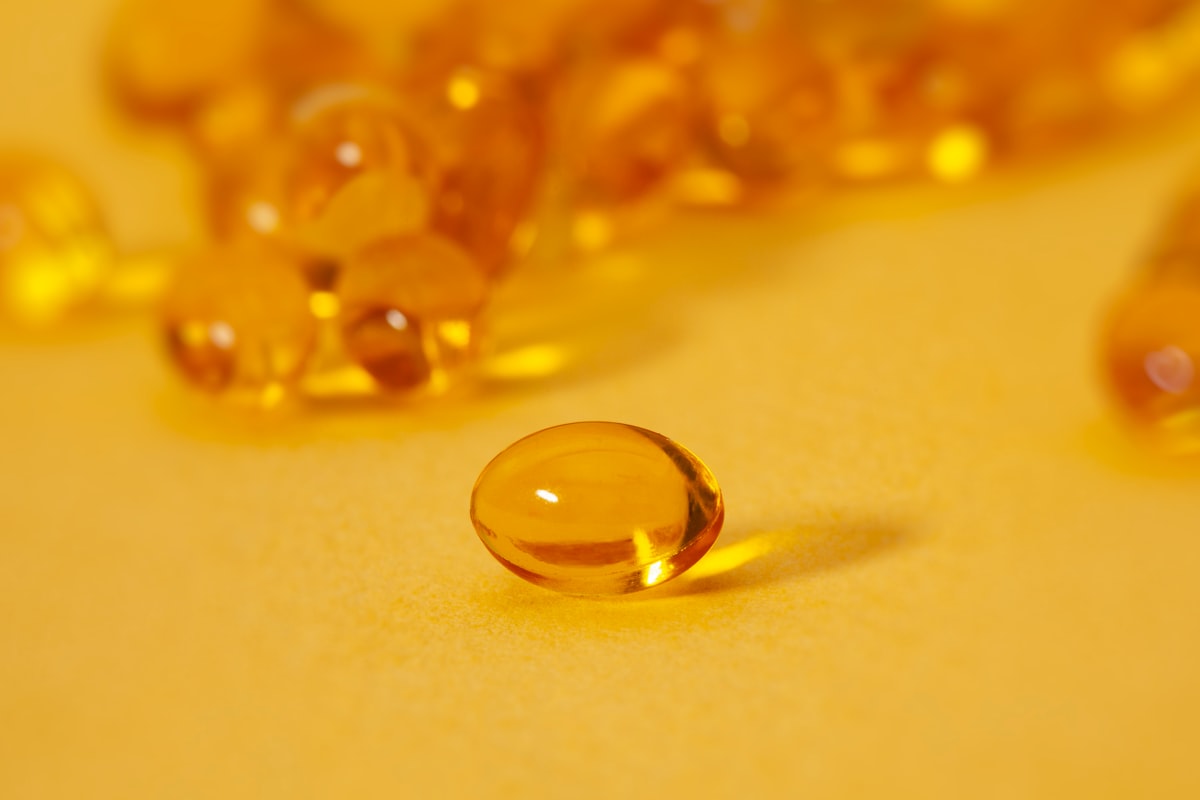
Nuts, Seeds & Fish
Almonds, pumpkin seeds, and fatty fish (salmon, mackerel) supply zinc, selenium, and omega-3 fatty acids. These nutrients are vital for immune regulation and reducing systemic inflammation. A small handful of nuts or one fish serving covers 30–50% of daily mineral needs.
- Zinc: 2–10 mg per serving
- Selenium: 30–60 microgram per serving
- Omega-3s: 0.5–3 g per fish serving
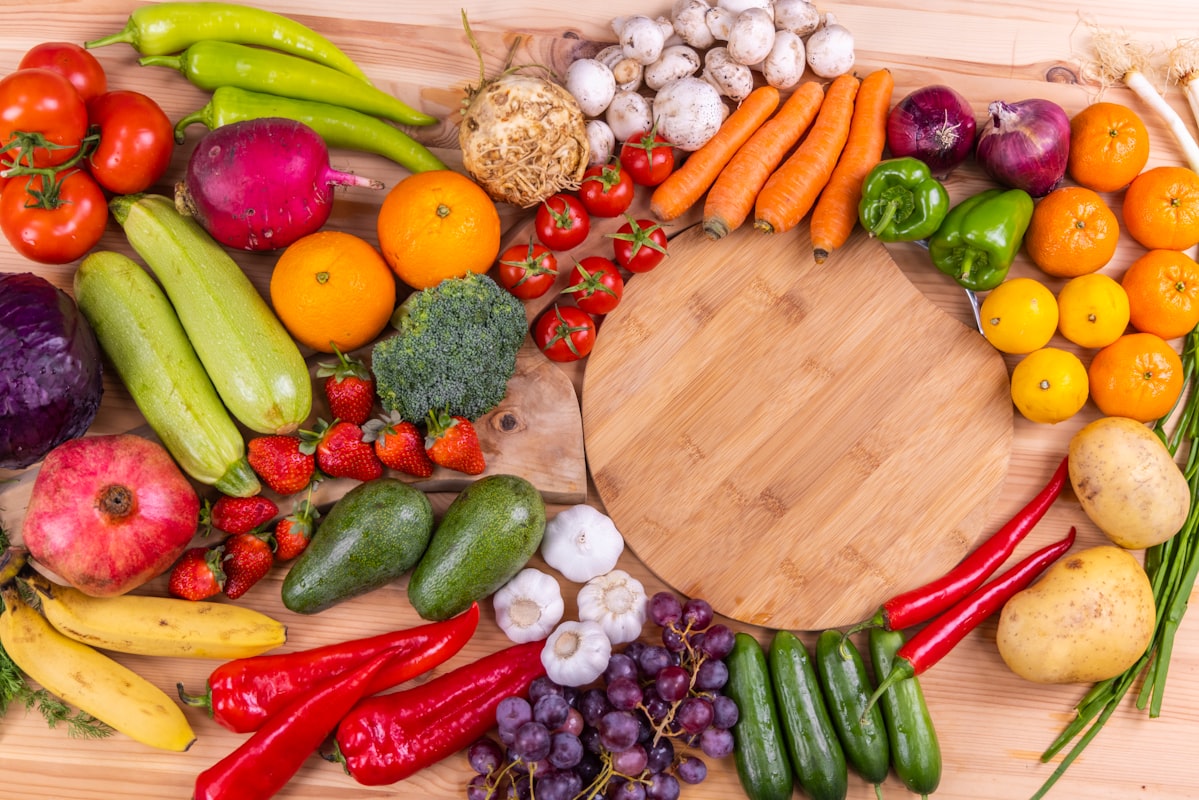
Eggs & Dairy
Eggs provide choline, B12, and selenium; dairy products deliver calcium, vitamin D, and phosphorus. Together, they support neuromuscular recovery and bone mineralization. Choose whole eggs and full-fat or fortified dairy for maximum micronutrient density.
- Calcium: 300–400 mg per serving
- Vitamin D: 2–4 microgram per egg
- Choline: 125–150 mg per egg
Real Recovery Stories from Our Community
Readers across the United Kingdom share how targeted nutrition strategies have supported their recovery journeys.
"After knee surgery, many people experience slower-than-expected progress. Our mineral absorption guide explores how magnesium and vitamin C may support recovery when combined with proper medical care and physical therapy. slow progress. Reading the mineral absorption guide changed my approach—I increased magnesium and vitamin C, and my physiotherapist noticed marked improvements in tissue healing within three weeks. The nutritional science here is both clear and actionable."
James Mitchell
Manchester, UK
"As a runner recovering from a stress fracture, I needed credible nutrition information. Nutritionflowhealth's articles on calcium, vitamin D, and load-bearing exercise gave me a structured framework. The food sources section was particularly helpful—I didn't need expensive supplements, just real food knowledge."
Sarah Thompson
Liverpool, UK
"Post-surgery fatigue was draining. Learning about iron, B-vitamins, and zinc from your guides helped me rebuild energy without guessing. My blood work improved, and I felt genuinely better after six weeks of applying these nutritional principles. Highly informative content."
David Chen
Bristol, UK
Common Questions About Recovery Nutrition
Most people notice initial improvements within 5–7 days of optimising mineral and vitamin intake, particularly in energy levels and joint comfort. However, structural tissue healing (bone, cartilage, ligaments) requires 4–12 weeks of consistent micronutrient support. The timeline depends on injury severity, baseline nutrition status, and adherence to guidelines. Tracking markers like inflammation levels or energy during rehabilitation can help you measure progress.
Most recovery nutrients are available from whole foods. A balanced diet rich in vegetables, fruits, fish, nuts, and dairy can meet 80–90% of micronutrient needs. However, certain scenarios—such as severe malabsorption, limited food access, or very high recovery demands—may require supplementation. Our guides detail both food sources and when supplementation might be appropriate. Always consult a healthcare provider before starting supplements, especially if you're on medications.
In the acute phase (first 1–2 weeks), zinc, vitamin C, and magnesium are priorities. Zinc supports immune function and reduces infection risk. Vitamin C initiates collagen synthesis. Magnesium regulates inflammation and supports energy production. Calcium and vitamin D follow in importance for bone health. Within 2–3 weeks, iron and B-vitamins become increasingly important for energy and tissue rebuilding. Our detailed articles break down the recovery timeline and which nutrients matter most at each stage.
Yes, excessive intake of some minerals—particularly iron, copper, and zinc—can interfere with nutrient absorption and create imbalances. Our guides emphasise achieving balance rather than "more is better." Most people who eat a diverse diet rich in whole foods are unlikely to reach toxic levels. However, high-dose supplementation without medical supervision is not recommended. Evidence-based dosing ranges and food-first approaches are core to our educational content.
Hydration directly affects mineral transport and cellular function. Dehydration impairs nutrient delivery to healing tissues and can worsen electrolyte imbalances. During recovery, adequate fluid intake (typically 2–3 litres daily, more if exercising) helps minerals like potassium, sodium, and magnesium reach tissues efficiently. Our articles explain how to assess hydration status and adjust intake based on activity level and recovery phase.
Start Your Recovery Journey Today
Explore our comprehensive library of articles, guides, and evidence-based information on minerals, vitamins, and recovery nutrition. Whether you're recovering from injury, surgery, or optimising athletic performance, our educational content supports informed dietary choices.